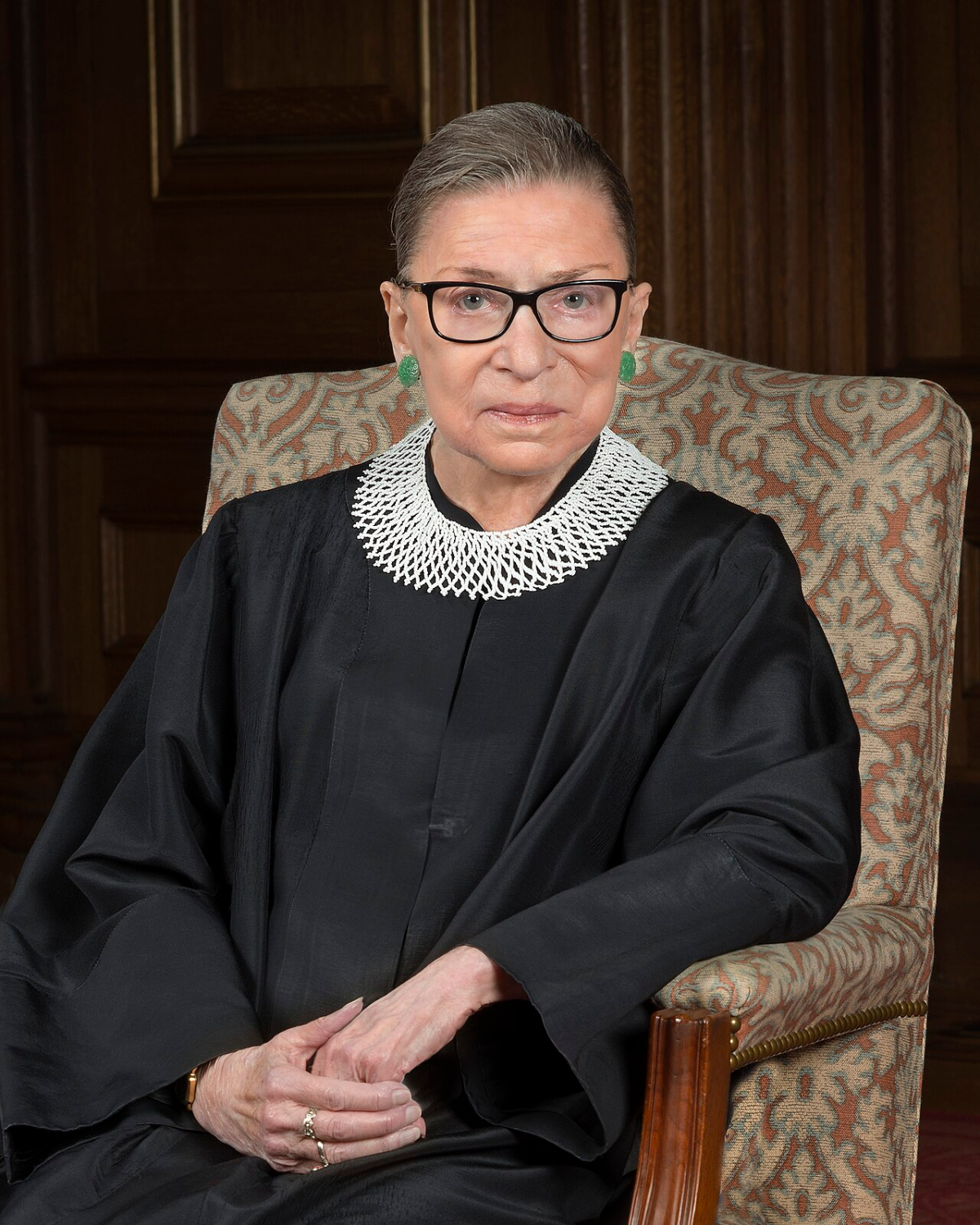
- System Title: The Proponent of Progress
- Appointed By & Year: Bill Clinton (1993)
- Defining Legacy: Stood as the central liberal voice on the Court, consistently defending federal power under the Commerce Clause and advocating for a broad interpretation of 14th Amendment Equal Protection rights. Challenged Originalists such as Scalia on numerous rulings based on judicial principles.
- Key System Updates (Major AP Cases):
- Citizens United v. FEC (2010) | Voted against treating corporate campaign spending as protected political speech, arguing under the 1st Amendment that money distorts democratic elections.
- United States v. Lopez (1995) | Opposed limiting congressional authority, arguing that gun violence in schools directly impacts interstate commerce under the Commerce Clause.
- McDonald v. Chicago (2010) | Opposed the selective incorporation of the 2nd Amendment individual right to bear arms against state and local governments via the 14th Amendment Due Process Clause.
- Core Judicial Philosophy: Progressive Living Constitutionalism — Intertwined broad federal authority statutes (Commerce Clause) with expanding civil rights protections, arguing that constitutional guarantees must adapt to newer societal inequalities.
- Signature Move: “I dissent.” — Used powerful dissents in major 5–4 decisions to outline constitutional counter-arguments on federalism, campaign finance, and equal protection for future legislation and court rulings.
Associate Justice, 1993–2020
Ruth Bader Ginsburg